Lee Mitchell – Florida Sportsman

I Am Florida Sportsman: Thanks , Mitchie

Lee Mitchell waiting for the guides at the Siesta Motel in Marathon, Florida. Fishing buddies Chuck Sheley and Rich Mealey sabotaging gear in the background!

Lee Mitchell waiting for the guides at the Siesta Motel in Marathon, Florida. Fishing buddies Chuck Sheley and Rich Mealey sabotaging gear in the background!

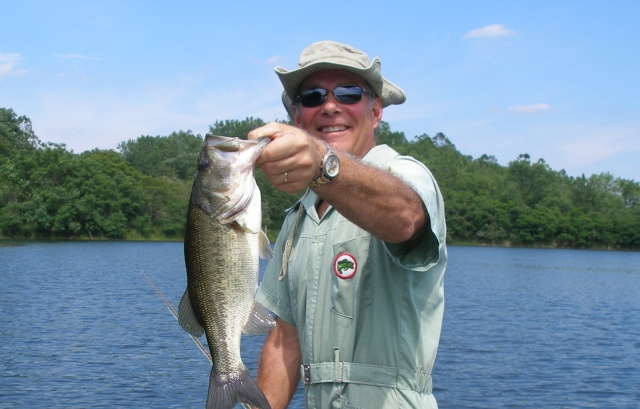
Fishermen love stories. Love to hear them and love to tell them. Mitchie, known to most as Lee Mitchell, was my Lake Erie buddy –you know- the generous guy with the boat who lets his buddies tag along. While we fished for Lake Erie perch and walleye, Mitchie loved to tell stories about fishing the flats of the Florida Keys.  Stories of impossible to catch permit in slick calm Key West channels and schools of tailing and waking bonefish arriving in Bonefish Alley on an incoming tide at sunset.

In March of 1988, Mitchie was responsible for booking my first flats trip – a half day charter out of Marathon with the late Jose Wejebe as our guide. I will never forget that first Boot Key bonefish when José whispered “School of bones – 70 feet – nine o’clock”.  I checked three o’clock. José urged me to check the other side of the boat. I saw nothing but launched a shrimp anyway. As luck would have it, I hooked and caught a six pound bonefish. I was elated. Mitchie was happier! He is that kind of friend.

The fishing continued the next day with Steve Huff as our guide.  We headed across choppy Northwest Channel to the Marquesas Islands. The Marquesas yielded Mitchie a beautiful permit. We had many shots at permit and Mitchie insisted I take all the casts after the first fish had been caught. Even though I did not hook a permit, the flats had hooked me!

Over the last 24 years, Mitchie has treated me to snook, redfish and tarpon fishing in the Everglades on his own skiff.  He organized our annual trip to the Florida Keys during which we fished with close friends and learned to love and respect the bonefish, permit and tarpon of the flats. Mitchie has introduced me to the best flats guides of the Keys – Steve Huff, Dustin Huff, Dale Perez, Harry Spear, Jose Wejebe, Nat Ragland, and Ray Fetcher.  These men became my fishing mentors and friends. Most importantly, we made memories. Mitchie, thanks for making me a lifetime Florida Sportsman!

Fishing Long Key Bight Well Prepared

The sun transformed Long Key Bight from an ocean side flat into an eye piercing mirror.  The transformation had been gradual as Steve Huff poled the l6 foot bonefish skiff into the brisk wind.  The water varied in depth from one to five feet and sparkled with an intense bronze cast.  The water’s hue caused cruising bonefish to appear black instead of their normal brilliant silver.  The crescent shaped flat was formed by Long Key and Long Key Point in the middle of the Florida Keys and was easily seen from Highway 1.

PB080093 Fishing (00039964@xC4F0B)

Huff had been guiding Lee Mitchell and I in pursuit of Keys bonefish, permit and tarpon for years.  Today was one of many spent on the duck grass flats of “The Bight”. I often remarked that The Bight is to receive a portion of my cremains when the time comes. Huff stepped down from the poling platform and jammed the l4 foot push pole into the sandy bottom.  He tied off to the elevated poling platform with a white nylon line. When the skiff was secure, he announced it was time for lunch.  Steve opened the boat’s fiberglass cooler and removed chicken salad in Styrofoam cups from the brown lunch bags. Usually, aluminum foil protects the sandwich bread from melted ice. Today it did not.  No matter, for Stout’s Restaurant in Marathon made chunky chicken salad which could be enjoyed even if eaten by spoon.

As we began to eat, I wondered why soggy chicken salad served in a bonefish skiff always tasted better than a Fifteen Dollar ($l5.00) lunch back home. Steve ate quickly.  Lee took his time.  I wolfed down my food and never took my gaze from the eye straining water. Lee believed that whenever he set down his rod and reel to light a cigarette, eat his lunch or pop an icy cold beverage, a bonefish would mud or tail and then disappear before a cast could be made.  But today we had not seen any fish and so we took some time to talk.

“It’s great to be back in the Keys” I said as I slowly shook the grasp of the real world and began to enjoy the first day of our annual Keys bonefish trip.  Huff ignored the sentiment and commented that Mitchie’s diet failure had made the poling a hell of a lot harder than the previous year. Lee replied, “Maybe I should find a younger less expensive guide who will pole into the wind at least part of the day without complaining”. Huffer and Lee were glad to see each other.

Lee Mitchell Steve Huff

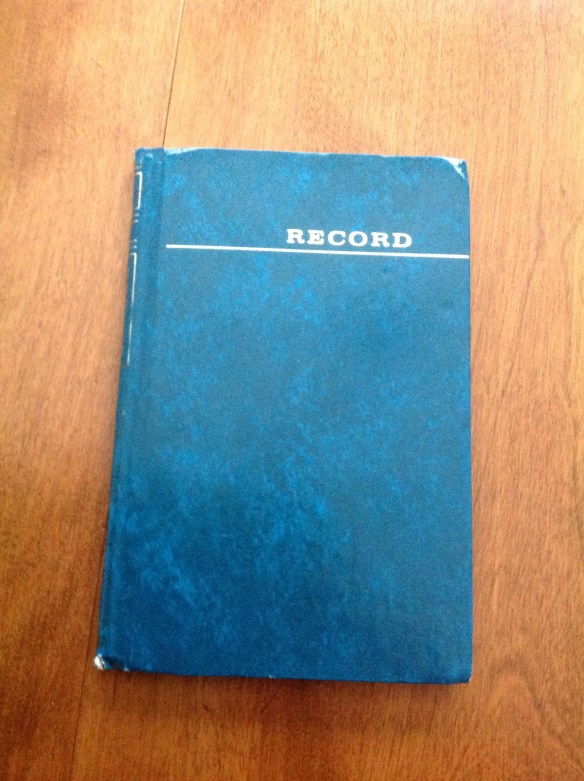
I thought of my trip preparation which always began with my fish log. For years, I have kept a blue, now dog-eared log to record the fish caught, the fish missed and the fish imagined.  It is also a valuable aid to detect fishing embellishment which is of course what other anglers do. Each entry of the log contains a few words to assist the aging mind in recalling the flats fished, the tides, the weather, but most importantly, the stories.  I read these stories often as I prepare my fishing mind and soul for a Keys fishing adventure.

Fishing Bible (00088576@xC4F0B)

The Fishing Bible

In addition to the log, I keep a navigational map of the Keys.  On the map, grease marks note the exact location of the most memorable bonefish, tarpon, and permit caught. I keep the map and log in the middle drawer of my office desk in Columbus, Ohio.  On cold winter days when I cannot successfully return one business call out of twenty on the first try, I often pull out the map and gaze at each smudged grease mark.  The map and log have been to the Keys as often Lee and I have. I would never even think of packing it in anything but a carry on.  Clothes lost in an airport can be replaced, but the map and log are as precious as my Mickey Mantle rookie card.

During lunch, Mitchie and I spoke of plane schedules, reservations at The Siesta Motel, the packing of rods, reels, rain gear, sunglasses and the lengthy list of items crucial to the success of the trip.  My wife often wonders aloud how I could pack for the trip by myself without error, but can never find my glasses without her help.

After listening to the endless details of our preparation, Huff snorted “Hell, you’ve had a great time even if you never catch a fish.”  We agreed.

Cold January Days In The Keys

“What do you want to do today?” Huffer asked. The water temperature was 58 degrees and we wore three layers of clothing to keep out the Canadian air of identical temperature. Waves of ice rink air had been blasting the Keys for a week and the chill reminded one of a late fall Ohio football day. After thirteen years of sharing a skiff with our guide, Steve Huff, both of us knew that skimming across the water at thirty miles an hour on a run of half an hour up the oceanside Key Largo shoreline would drive the tears forced by the wind around our face where they would freeze on our ears.
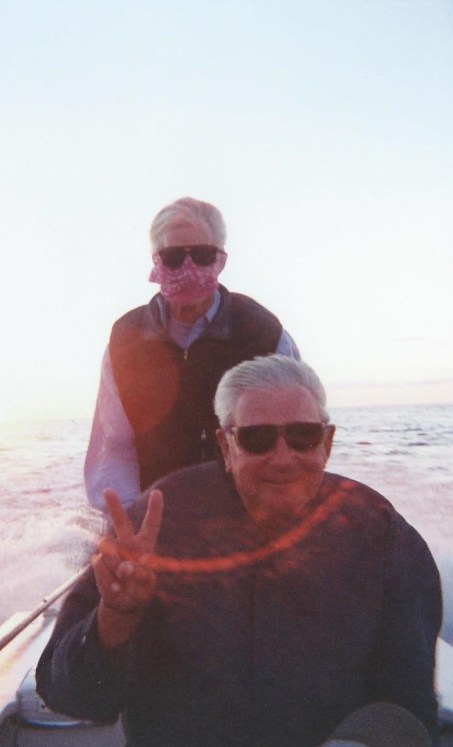
Lee Mitchell Steve Huff

So even though we were well prepared for the weather by our dress, our quarry, the bonefish, cope with cold water by seeking comfort in some deep green channel where the water fights off a few degrees of chill. Bones are not fishable under such conditions.

Even the asking of the question was puzzling. Our traditional morning routine includes a conscious effort to avoid even a hint of what we would like to fish for or where we would like to go. Conversation at breakfast with our guides includes a recap of the catches of the day before, the memory spawning disasters which years later are the subject of often told stories, and fishing tackle. But an angler suggesting that a Florida Keys flats guide should seek bonefish instead of permit or tarpon instead of barracuda is taboo. Those decisions are made by guides.

There are times though when the choices do not range from permit at Key West to bonefish at Biscayne Bay. Today was one of those times. We faced the same decision the day before and the answer yielded a destination which was a first for me. Lake Ingraham. We put in at Sandy Moret’s ramp located in the rear of his beautiful Islamorada home which boasts a sunset view of Florida Bay. From there, we wound our way through the back country skirting along the edge of Nine Mile Bank until a deep turquoise channel gave us access to the flats leading past the winter home of the migratory white pelicans. A group of fifteen of the brilliantly bright birds swam quietly along in pursuit of food unlike their dive bombing brown pelican brothers who approach a meal like an airborne freight train.

florida-white-pelicans

We hit the mainland shore line just to the west of Flamingo and approached close enough to find the lee of a fifteen mile an hour north wind which caused the Florida weather readers to talk of wind chill as if they were dealing with a Buffalo snow blown forecast. We approached Lake Ingraham through the dredged manmade channel that runs for a half mile from Florida Bay to the mouth of the lake. Arriving at low tide, I was stunned to see a series of exposed mud banks which called up images of a convoluted human brain. Each little crevice or channel in this spider web of mud was an obvious path for the migrating fish as the tide would come in. But today the weak winter tides would never flood the mud flats and the fish were forced to gather in the deeper channel running down the middle of Lake Ingraham.

As the skiff dropped off plane, Steve Huff shut down the Yamaha 120 HP outboard and stepped up to the poling platform. Having long ago learned to be ready when the guide is ready, I grabbed my rod loaded with 10 lb test and a thirty lb shock leader and stepped up scanning the water surface as I settled into my side of the bow. I next edged back so my then 73 year old friend and fishing partner, Lee Mitchell, known to those of us who fish with him as Mitchie, steadied himself for the step up by grabbing on to my belt. Scanning Lake Ingraham was like looking into a huge bowl of Mocha flavored coffee. I thought to myself, “We will never see a fish in this water.” Five pushes into our first approach, we began to see cream puff like explosions of mudding or fleeing fish. “Cast to the muds and look for swirls. You might see a tail on the edges but more than likely the reds will be in the channel. If you see a shake or push hit it and make that jig look alive”, Huff instructed.

Mitchie began to catch redfish.

I did not. After three reds Mitchie wondered aloud if I was trying as hard as I could. “Little early in the day to start busting chops isn’t it?” I replied. “Anyway, I would feel bad if I didn’t let you catch at least a couple before taking charge of this water”

“Right”

We fished on and all of a sudden I felt a tap and hooked a two pound red. “Nice Jr. Leaguer, Stevie.” Mitchie calls me Stevie even though I am well over 50 years old. “Need any help landing him?”

“Naw, I thing I can handle it old buddy” I released the red and then the fish started to come. After an hour and fifteen redfish, I uttered the unutterable. “Are there any snook here?” Apparently, the redfish were insulted, took off the feedbag, or fled. The fishing shut down.

“Dammit, Rowe, you know better than to insult the fish. The fishing gods hate that kind of talk. Let’s get out of here.” Huff said with a smile in his voice.

We ran about ten minutes back to the outside and upon reaching the mouth of the inlet, we saw a pack of fishing boats working the incoming tide looking for seatrout, snook, redfish, or any other hungry fish willing to ignore the icy water and take a meal. As we slowed to shut off the wake and work through the pack of boats, all of us indulged in a stolen glance hoping to see a fish caught but knowing that we would feel the catching boat was in a spot where we most certainly would have been fishing had they just not been there. No fish were sighted and so we left the mouth, and motored slowly to the west towards the next cut which was about thirty yards wide and without a boat.

“It’s two o’clock. Let’s drift in towards the mouth and have some lunch” Huff said.

Mitchie and I were both thinking what we always think when fishing with Huff. We had been hungry for two hours but Huff thinks that lunch is at best a time consuming nuisance which steals precious fishing time.

As we wolfed down our food, Mitchie made the mistake of asking, ”What are we going to do here?”

Huff mocked , “What are we going to do here? Why don’t you hurry up and get up on that bow and find out?”

We packed up our left over styrofoam cups which had contained chunky chicken salad and the aluminum foil which had protected the bonefish sandwich Huff favored, a messy combination of gooey egg salad over ham contained by two slices of rye. The trash was stored in the bow compartment

Huff pushed us towards the mouth of the cut which was edged by black mangroves just beginning to receive the touch of an outgoing tide. As we approached the outside edge of the cut we saw two large stationary shapes hovering motionless on the top of a drowned tree which was sitting far enough from the mangroves to catch a shower of sunlight. Two goliath grouper in the range of fifty pounds were warming there bodies and had no interest in the jig we dangled two inches from their snout.

We pushed further out and came to a slot in the mangroves where you could park a pick up truck with no room to spare. Mitchie was on the bow and I backed him up from the middle of the boat. Huff was on the poling platform and jammed the push pole in the muck to hold us away from the slot while the current urged us forward. Mitchie flipped his jig shoreward and bam a five pound snook smacked the jig and after a fight slowed to a sluggish surge or two due to the frigid water, the fish was boated and released. We were in the middle of one of those fishing situations where the boat position permited Lee to demonstrate a basic personality flaw of many anglers – being a fish hog. In the next ten minutes as the tide continued its flood, Mitchie yanked ten snook out of what was an obvious fish parking spot. I managed two.

Have you noticed that anglers have the ability to see through the back of their fishing partners head when he sports an ear to ear grin because he is thrashing you in the boat bet.

“Get back here you evil old man!” I shouted as the last of the ten snook slid towards the starboard sideboard. “Oh, Stevie, I just don’t think this replacement knee can take standing in the middle of the boat. I just have to have this comfortable seat on the bow!”

“Right”

The fishing continued for me and the catching for Mitchie. A total of fifteen snook later, we headed back across Florida Bay for a face freezing run to home.

The next morning, we ate breakfast at Stout’s Restauart. Stouts is one of those Florida Keys establishments that can make a living by remaining open through the noon hour. Fishermen use the establishment for breakfast and lunch sandwiches. The lunch crowd finishes off the day, and the owners hit the water for a little fishing themselves. Bacon, eggs, toast, lots of coffee, and a short wait for the lunch sandwiches to be made. The restaurant seats may be 40 around 10 small tables.

Stout's

The talk is of fishing, fishing guides, lost opportunities, all of which are tied together by a fisherman’s dash of embellishment. Normally, the conversation at breakfast does not include where the anglers might want to fish that day. Such a topic is taboo when you are paying a guide four hundred fifty dollars a day to make such a decision.

But after squeezing two days to fish out of my appointment book to join a best friend on the bow of a sixteen foot super skiff, there was no time to wait on the weather to change, the water to warm up, or the wind to stop howling. So today, I chose to risk the taboo breaking penalty of no fish by answering the question of what we would like to do by saying “ Let’s go find some bonefish.”

After hearing my request, Huffer looked outside saw the north wind and suggested we head to Key Largo. We strolled across Highway 1, got into the pickup truck, and headed towards the John Pennecamp State Park. Pennecamp has one of the best ramps in the Keys. But even on the finest ramps, strange things can happen. After Huffer backed the boat towards the water and down the ramp, he exited the driver side to unhook the safety chain. I was in the back and so after Mitchie exited the vehicle, I began to untangle my long legs by turning my back to the top of the cab, sticking my right foot towards the pavement and stepping out with my left foot. As I twisted to close the door, Mitchie made his way around the front of the pickup truck and and closed the driver’s side door. In the same instant, my right elbow brushed the door lock and I closed the passenger’s door. We were locked out of the pickup. The result was a boat on its trailer, a pickup truck running, and a very distressed fishing guide. The beauty of fishing with Steve Huff, however, is that he knows someone in every town in the Keys who can get things done. Key Largo was no exception. Within minutes, a tow truck driver with a nasty looking metal tool had opened the door and we were back in business.

Once a skiff leaves the ramp at John Pennecamp, the guide and anglers are treated to a gorgeous ride through mangrove lined channels filled with beautiful clear green water. The first time one makes that run, it is impossible to imagine that the Atlantic Ocean lies just a few hundred yards to the east. The Oceanside shoreline of Key Largo is some of the most stunning water in the Keys. The bottom consists of hard coral, which is easily heard by the crunch of the push pole.

Key Largo is a popular destination when the wind is beating on the Gulfside flats. As any angler who fishes for bonefish knows, best results are achieved when one can see the fish. When peering through the clear water to the Key Largo ocean bottom one is confronted by a series of black and green spots which look like an image from the business end of a kaleidoscope. It is not difficult to mistake a stationary black spot for a bonefish. You constantly have to remind yourself that a bonefish moves, but a black spot on the bottom does not. On this day, however, we learned that bonefish sometimes do what is unexpected when the water is more like the temperature found in Lake Erie in the late fall.

As Huffer poled up the shoreline, he remarked, “Is that a school of fish about 500 yards ahead?”

There are many times on the flats, when the guide who stands on an elevated platform sees fish long before the anglers. This was not one of those times. At the edge of our vision range, a huge black wad of something awaited. In 15 years of bonefishing, I had never before seen as school of bonefish swimming in a circle. This group of fish appeared to be wandering in a huge daisy chain. Perhaps the fish were attempting to stay together. How cold-blooded fish in cold water could create warmth by swimming in circles closely together would seem to defy modern science. Nonetheless, that’s exactly what these fish were doing. As we got closer, it did not appear that the fish would spook. Huffer said, “Mitchie, cast to the right edge of the school.” He went on, “Rowe, you cast of the left edge and let’s pull a double out of this group.”

Mitchie cast first. Wide right. I went next and made a decent cast of the left edge of the school and immediately hooked up. Normally, a hooked bonefish will tear through the water stripping line against the drag. A larger fish can take upwards of one hundred and fifty yards of line against the drag. This fish did not seem to have the energy to do what a hooked bonefish normally did. It slowly and sluggishly moved away from the pack which continued to circle slowly. After a brief fight, a beautiful silver sided 8 pound bonefish was in Huffer’s hands. Huffer called over his shoulder, “What the hell were you casting at Mitchie?” No reply.

The lesson learned is one all fisherman know – you never know what might happen when you are fishing while everyone else stays home.

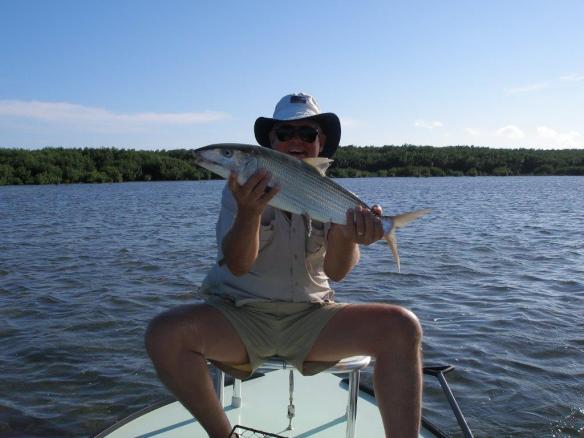
Guide Steve Huff

Fishing Guide

Fishing Guide

What a privilege it has been to fish with this man. This picture was taken at Steve’s induction into the IGFA Hall of fame several years ago. I caught my first Permit with Steve, fist tarpon over 50 pounds with Steve, fished Key West for the fist time with Steve, and many more firsts! Those of us who fish with Steve often look closely to see if he has gills! His instincts are legend.

This sums him up best. I was fishing for snook in the Everglades with great friend, Chuck Sheley, last November.  Huffer was our guide. We had an hour and a half skiff run to return to the dock at Chokoloskee as the fire orange sun was setting in a crushing blue sky behind the mangrove islands. The wind had stilled. The surface was calm as the pockets of water next to the mangroves darkened in the shade. There was silence. All the rest of the guides had long since returned to the dock. I knew we would be able to see the bright stars of the dark night sky by the time we docked. Steve said, “See…wouldn’t it be a shame not to be out here at this time of day?”

Steve was recently featured in an article published in the International Angler, a publication of the International Game Fish Association. The article is titled, “Captain Steve Huff: Secrets for permit on fly”. The article includes links to his IGFA Fishing Hall of Fame induction video and a demonstration of Steve time his permit fly loop knot. Take a look.

First Bonefish

I have a great friend named, Lee Mitchell. His friends call him Mitchie and in fishing circles he is known as Captain Crusty. I enjoyed many fish catching afternoons on his 32 foot Bertram which he ran as the consummate captain on Late Erie. We also had the misfortune of being members of a club in Columbus, Ohio known as The Drummers. The Drummers was one of those clubs with no socially redeeming value. However, we did excel at drinking beer, playing golf, and dealing gin rummy. From years of experience, I knew that if Mitchie had consumed at least two Beefeater martinis on the rocks with blue cheese stuffed olives, I could get him to tell his bonefish stories over and over and over. Mitchie had the unique talent of arriving at the end of a story only to push the restart button so I had the pleasure of hearing the story from the beginning before we ever heard the end.

My memory bank was full of stories of bonefish in the Florida Keys. Mitchie raved about a place called Bonefish Alley where he finished with Guide Steve Huff late in the day on an incoming tide. Schools of bonefish would push up on the flat to feed. As the sun was setting in stunning pink and orange, the bones would wake and tail and Capt. Huff would simply use the push poll to spin the boat to give Mitchie and his fishing buddy of the day another shot. I will tell more of the enticing stories in later posts.

Dreams turned to reality in 1988. Lee and his late wife, Marian, were staying on Key Colony Beach and invited Lauri and I to stay for several days in March. Two fishing days were scheduled. On the first, Mitchie and I headed from Marathon to Islamorada. We were to meet Guide John Kipp at The Lorelei in Islamorada. John did not show. We headed back to Marathon disappointed. But Mitchie is a determined sort and fortunately had the phone number of a then young fishing guide named Jose Wejebe. Mitchie called Jose who wasn’t booked. He agreed to meet us at the Holiday Inn near Vaca Cut in Marathon at noon for a half day of fishing. Jose launched his bonefish skiff and ran around the corner to Ted and Mary’s flat ocean side of Marathon. The flat was named after the proprietors of Hall’s, a must stop bait and tackle store in the Keys. We saw nothing. I would not have seen anything even if there were fish on the flat but Jose and Mitchie also detected no fish clues. On down the flats Jose poled. After fishing High School flats we still had seen nothing. Jose jumped down off the poling platform, fired up the skiff and headed around the corner to Boot Key.

After Jose had poled a couple of hundred yards Mitchie said, “Humph, never seen a bonefish on Boot Key!” Jose, “Really?” No sooner had the words crossed his lips than Jose whispered, “Steve, school of bones 9 o’clock, sixty feet.” I looked, saw nothing and out of panic launched my shrimp towards what I thought was 9 o’clock. The fishing gods smiled that day because a fish ate, set the hook on itself and took off. The drag sang that beautiful song of a fired up bonefish and after a couple of great runs, Jose lifted my first bonefish out of the water. “No bonefish on Boot Key? Someone must have gotten lost! Way to go Rowe!” Thanks Jose. You are missed.

Guide speak

Steve Huff is simply the best salt water flats guide ever. Steve was recently inducted into the IGFA Hall of Fame.

Steve Huff

Steve Huff delivers IGFA Hall of Fame acceptance speech


When fishing with Steve, you know that the time of day affects word choice as an early morning shot at a bonefish goes awry. Early in the day, anglers know that optimism is in abundant supply. That optimism is reflected by Steve’s standard line when his angler blows an early in the day shot. It goes something like this, “we’ll get em!”

Scan0014 (2)

Steve Huff holds my first Permit!


Sometimes, however, the early blown shot happens to be the only one of the day until what I affectionately refer to as “last chance time”. When fishing with Huff, the last shot always happens as the sun is dropping below the horizon. The angler’s senses are sharpened by the knowledge that Steve’s skiff is the last on the water. No other angler will have this chance because all the other guides are at the dock and their anglers at the bar. A fish caught on the last shot is always the most memorable. Perhaps because you know life promises no next shot.

Scan0018 (2)

A Keys sunset as we scan for the last tailing bonefish..” Last chance time”


If I screw up the that last chance with a bad cast or some other angling mishap, Steve’s words are terse, short and to the point – “Forget it!” If the last chance happens to be to a fish that does not want to eat, the words are different, “Sorry, guys, I hate to leave with fish around but it is already dark!”

Steve Huff lends a hand (00053735@xC4F0B)

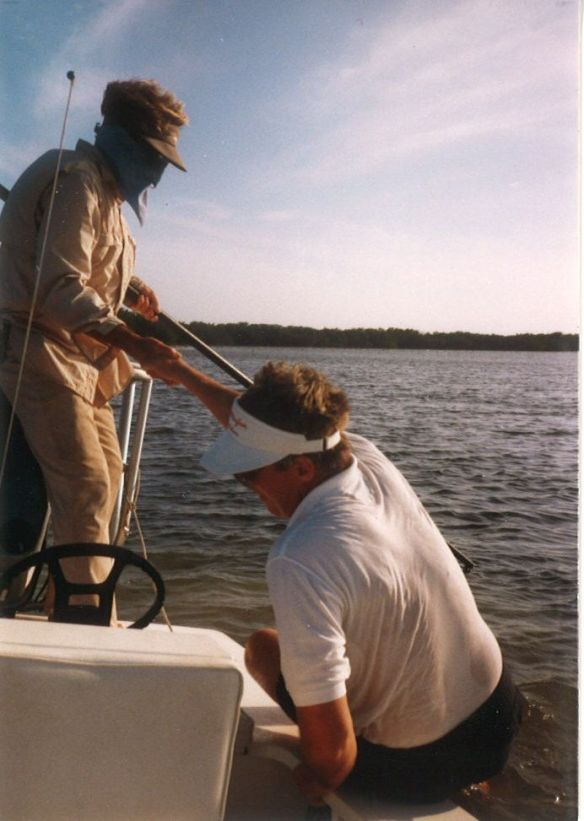
Steve Huff lends a hand as we recover from one of my many angling mishaps1! Long Key Bight, Florida Keys


Guide speak!

First Muskie

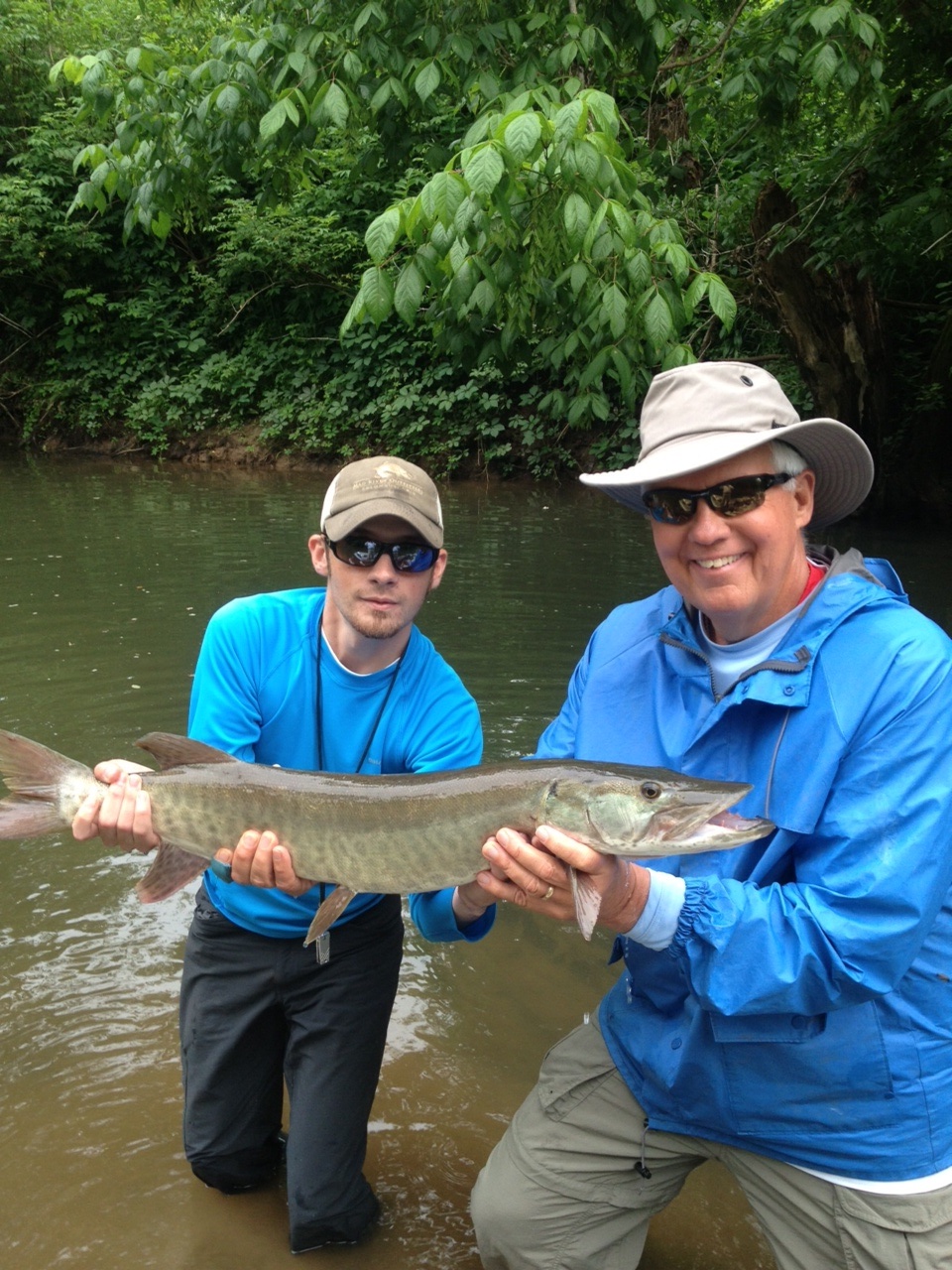
imageUntil last Friday I had never fished for Muskie. Nor had my fishing buddy Tom. But hey,our wives, had given us a trip for Christmas and our friends at Mad River Outfitters convinced us that we could get a shot if we headed to southeast Ohio with ten weight rods, sinking lines, and large pink flys. Up at 3am, on the road at 4am, parked in the Walmart parking lot at 7. After passing up some muddy water from yesterday’s rain we pulled in to a grass ramp and launched the ClackaCraft. Our guide, Pat, slowly rowed us down the Little Muskingum river and we began to cast or should I say flog away.

After about an hour, we floated around a bend and to the right above us on the bank were three empty lawn chairs surrounded by beer cans. My mind drifted back to my youth when my Grandpa Hessey and I would sit on the banks of the Fostoria Ohio reservoirs with cane poles, minnows, and round red bobbers. When that bobber would go down I would yank white crappies up, out, over my head, and onto the bank behind. And we would laugh! I told my boat mates the story. They were not interested but Pat gently brought me back to reality and suggested that I should cast beyond a log which was running diagonally from the bank. The fly landed about a foot beyond the log. One strip and then chaos. A Muskie garbaged the fly and then launched itself in a four foot jump. Pat screamed to get the fish up and over the log but I was not tight on the fish. It seemed like 20 seconds before I got tight and set with a strip strike. Tom said later that it only took a couple of seconds to set but I am not sure.

Pat shouted at least twenty different commands pretty sure I followed no more than two of them. Once we got the fish over the log it felt like we might get him. And after a few anxious moments with the net he was next to the boat. We went crazy! I confess that only Rowe Luck brought that fish to the boat. I really was in a fog. Pat had such an adrenalin rush that the blood ran from his face and he leaned over the side of the boat concerned that he would lose his breakfast.

First Muskie 33 inches. To be honest, I am pretty sure that Grandpa Hessey’s spirit was in that lawn chair and while he puffed the familiar King Edwards cigar decided to send a hungry Muskie to visit his grateful grandson. Grandpa, thanks for the Muskie and the first cane pole!